



















My car licence
Driving is one of the riskiest daily activities that you'll do. Learn how to prepare yourself and your vehicle.
myLs
Get your Learner’s Permit online.Pre learner
Start learning how to be a safe driver now.Learner's permit
Got your Ls? Learn about special L-rules and conditions.P1 provisional licence
You can now drive independently but there are conditions...P2 provisional licence
Keep building your driving skills and experience.Full licence
It's vital to maintain your driving skills and knowledge.Graduated Licensing Scheme
The staged approach to getting your driver’s licence, including new rules for P plates.L and P penalties
The penalties for breaking the rules (Licence Disqualification).The Driver's Handbook
The road rules handbook for all South Australian drivers.The Hazard Perception Test
What to expect in the Hazard Perception Test.Medical fitness to drive
Learn about the fitness to drive requirements in South Australia.Worried about someone's driving?
It can be difficult to know what to do if you have concerns about someone’s driving.Older drivers
Learn about the risks older drivers face and keep safe on the roads.International drivers
Tips for international visitors driving on South Australian roads.Supervising a learner driver
Learn how to develop your child's driving skills.Resources
Resources related to being a safer driver.Stay in touch
Join the conversation.FAQ
Frequently asked questions.My motorcycle licence
Compared to driving other road vehicles, riding a motorcycle places riders at a much higher risk. In a crash, the chances of getting injured are very high.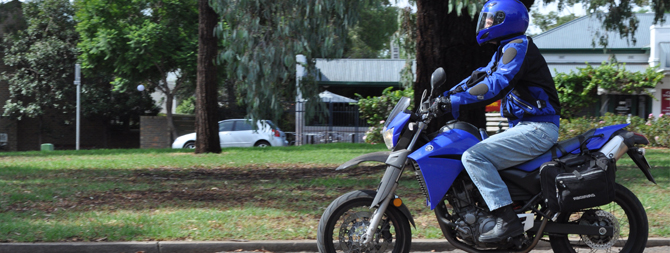
Pre learner
Got your Ls? Learn about special L-rules and conditions.Learner's permit
R-Date endorsement.R-Date class
Licence endorsement.R class
Licence endorsement.Motorcycle helmets
All motor bike riders and any pillion or sidecar passengers must wear an approved motor bike helmet.The Rider's Handbook
The road rules handbook for all South Australian riders.Practice Learner's Theory Test
Study up for the Learner's Theory Test.Rider Safe training
Rider Safe is a compulsory motorcycle rider training course for all novice motorcycle riders.Safer riding tips
You can become a safer rider by having the necessary skills.Motor bike lane filtering
All motor bike riders must know the strict conditions that apply to motor bike lane filtering.Moped riders
Moped/scooter riders, like all motorcyclists, are vulnerable on the road.Returning to riding
Take the time to get your skills up-to-date with the Rider Safe Returning Rider Course.Resources
Resources related to being a safer rider.Motorcycle Rider Hazard Simulator
Practise the Motorcycle Rider Hazard Simulator.Stay in touch
Join the conversation.My heavy vehicle licence
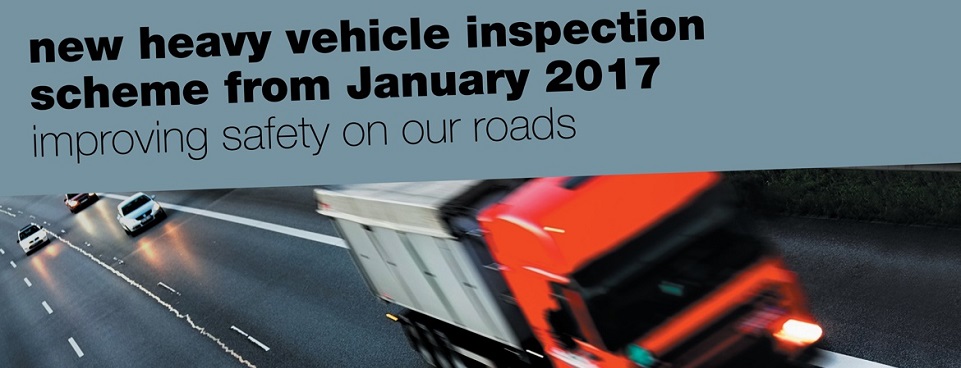
Heavy vehicles include the trucks, road trains and B-doubles that transport goods. It also covers buses, trams, tankers, grain and delivery trucks, livestock transporters, agricultural machinery and other vehicles that are long, and possibly slow-moving. Learn how to upgrade your licence to a higher class.
Light Rigid or Medium Rigid
Find out what you need to get your LR or MR class licenceHeavy Rigid or Heavy Combination
Learn how to get your HR or HC class licence.Multi-combination
Find out how to upgrade to an MC class licence.MC licence program
Another way for HR and HC licence holders to get an MC licence if they don't meet the minimum driving experience.Overseas licence holders
See how you can get an MC licence if you have an overseas heavy vehicle licence.Heavy vehicle driver's handbook
This important guide details what you need to know to operate a heavy vehicle safely in South Australia.Operating a heavy vehicle
Explore more about operating heavy vehicles on SA.GOV.AU.Safe driving tips
Heavy vehicles are a safety issue because of the distances travelled, their mass and rigidity.South Eastern Freeway
This freeway's long, steep descent makes it one of the most difficult routes into Adelaide. Watch our video before you drive a heavy vehicle down the South Eastern Freeway.The Driver's Handbook
The Driver's Handbook is the road rules handbook for all South Australian drivers.Road rules
Find out if your knowledge of basic road rules are up to date.Resources
Get more resources to help you be a safer heavy vehicle driver.My ultra high powered vehicle licence
U class licence is a new class of licence that you will need from 1 December 2024 to drive an Ultra High Powered Vehicle (UHPV). A UHPV is a vehicle with a gross vehicle mass not greater than 4.5 tonnes (excluding a bus, motor bike or motor trike) with a power-to-weight ratio equal to or greater than 276 kilowatts per tonne.
Vehicles classified as UHPV
Find out what vehicles are classified as ultra high powered vehicles.Applying for a U class licence
Find out how to get a U class licence.U class licence online training
Anyone who wants to to drive an UHPV (including existing owners or drivers of UHPVs) must take this training to get a U class licence.UHPV offences
It is an offence to drive an UHPV if your automatic vehicle intervention system is disabled.Parents and supervisors
Supervising a learner driver can be challenging, but it can also be very rewarding. You'll help a young person develop the skills and attitudes they need to become a safer, smarter driver.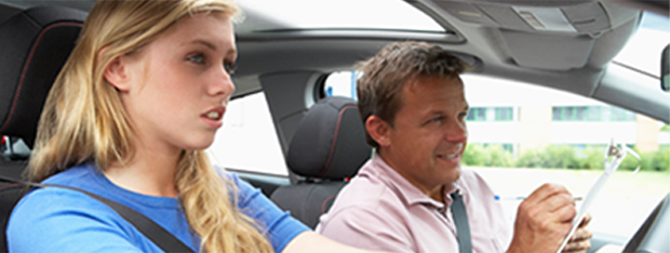
Pre learner
How to help prepare your learner driver for a lifetime of safe driving.Learner's permit
What you need to know and understand before you supervise a learner driver.Solo driving
Practising solo driving is vital for your learner. Learn tips on practising here.P plater safety
Learn how to reduce road risks for a newly independent driver.Supervising driver tips
Supervising a learner driver is a serious commitment. Help ensure their safety.Reducing crash risks
Read our driving tips for reducing the crash risk of new drivers.Road rules pocket guide
Refresh your knowledge of the road rules before helping a learner driver.Buying a car for new drivers
Learn how to make a safer vehicle choice for their first car.Sharing the household vehicle
As the number of car users in a household increases, there will be a growing pressure to use the available vehicles.The Driver's Handbook
The Driver's Handbook is the road rules handbook for all South Australian drivers.The Driving Companion
The Driving Companion contains the log book to record your learner’s compulsory driving hours.Resources
Resources to help you become a better supervisor.Stay in touch
Join the conversation.Road rules
Is your knowledge of basic road rules up to date? Breaking basic road rules contributes to thousands of avoidable crashes in South Australia that result in injuries and fatalities each year.
Road rules videos
Watch our videos about several commonly misunderstood road rules. Do you know the rules?Road rules pocket guide
The road rules refresher pocket guide outlines some of the most misunderstood road rules.Road rules quiz
Try this quick road rules refresher quiz to check your road rules knowledge.Trucks and buses low gear signs
Trucks and buses must follow Australian Road Rule 108 when driving down a steep road.Personal mobility devices
Rules for riding a personal mobility device that is propelled with an electric motor.The Driver's Handbook
The Driver's Handbook is the road rules handbook for all SA drivers, including learners.Offences and penalties
Know the legislation on road rules and most driving offences.Road rule amendments
See recent South Australian road rule amendments.25 km/h emergency services speed limit
Drivers must travel at 25 km/h when driving through an emergency service speed zone. This law came into effect in 2014.Stay in touch
Join the conversation.Seatbelts and child restraints
Wearing a seatbelt doubles your chances of surviving a serious crash. Take the time to buckle up.Resources
Find resources about being a safer driver.Rail safety quiz
Think you know how to be safe around trains? Try this quick rail safety quiz to check your knowledge.Cycling laws
When you drive past a cyclists, you must give at least 1 metre of space where the speed limit is 60 km/h or less, or 1.5 metres where the speed limit is over 60 km/h. All cyclists can ride on footpaths.Cyclist road rules and safety
When you ride a bike, you need to know about bells, lights, helmets, riding abreast, bicycle lanes, give-way rules and more. Find rules, laws and safety tips for cycling in South Australia.Safe driving tips
Driving involves risk, so safe drivers aim to reduce their risk.
School safety
Learn about road rules and safety tips for driving to and from or near schools.Safer speeds
Speed is a key factor in crashes and road trauma.Alcohol and drugs
Don't mix driving with alcohol or drugs (including medicine).Fatigue
Fatigue is a major factor in causing road crashes.Mobile phones
Using a mobile phone while driving increases the risk of crashing by at least 4 times.Dangerous behaviours
Inattention is an issue in both rural and metropolitan areas.Know when to cross the line
A level crossing is where the road crosses a rail or tram line. Taking risks around trains and trams is very hazardous.Safer vehicles
Buying a car is a big responsibility, whether it's for you or your child.Country driving
Before you drive in the countr, make sure you and your car are prepared.Sharing the road
Know your responsibilities and respect the rights to safety of all who share our roads.Driveway safety
Tragically, one child (often a toddler) is run over in their driveway every week in Australia.Breakdown safety
Slow down and be careful if you see flashing amber hazard lights on the side of the road.Yellow Ribbon Week
South Australia supports Yellow Ribbon "Drive So Others Survive" National Road Safety Week.Move smart
Keep your travel options open, stay flexible and move smart!Passenger distractions
Simple distractions can increase your risk of a crash by up to 4 times.Driving at night
Driving at night is dangerous and requires more skills and concentration.High powered vehicles
Provisional licence holders under 25 years must not drive a high-powered vehicle.Driving age
Getting a driver’s licence isn’t a race. If you don’t need a licence yet, just wait.Practice
Learner drivers who have more supervised practice will reduce their risk substantial crashes.Resources
Resources about being a safer driver.Worried about someone's driving?
It can be difficult to know what to do if you have concerns about someone’s driving.Stay in touch
Join the conversation.Cycling laws
When driving past a cyclist, you must give at least 1 metre of space where the speed limit is 60 km/h or less, or 1.5 metres where the speed limit is over 60 km/h. All cyclists can ride on footpaths.Cyclist road rules and safety
When you ride a bike, you need to know about bells, lights, helmets, riding abreast, bicycle lanes, give-way rules and more. See the rules, laws and safety tips for cycling.Visitors to South Australia
Driving involves risk, so safe drivers aim to reduce their risk.
International drivers
If you are visiting South Australia – welcome! We want you to enjoy your stay but, more importantly, we want you to stay safe. Get tips and rules for driving in South Australia.Licence requirements for visitors
Learn about using an interstate or overseas driver’s licence in South Australia and how to apply for a driver’s licence.The Driver's Handbook
The Driver's Handbook contains the road rules for all drivers in South Australia, including learner drivers.
Moving Right Along
Are you worried about someone's driving?

Worried about someone's driving?
It can be hard to know what to do if you have concerns about someone’s driving. We have tips and information for family and friends about things to consider.
It is ability, not age, that determines whether someone is a safe driver. Generally, everyone will need to stop driving at some point. People don’t retain the ability to drive indefinitely.
Many drivers self-regulate their driving to stay safe when they feel some situations become more difficult. For example, driving at night. Many drivers recognise when the time is right to start retiring from driving. Others may need guidance to identify when their driving is becoming unsafe.
Starting a conversation about driving
You may experience situations where you are concerned about someone's driving. This could be a family member, parent or a close friend.
A conversation with the driver is a good starting point. Successful conversations start with good preparation – not all conversations about driving go smoothly. Some people may worry that retiring from driving reflects their competency. They may fear the potential loss of their mobility and independence.
Explore the tabs above for resources to help you prepare, have the conversation and follow up.
Legal responsibility
All drivers must be mindful of their fitness to drive and understand their legal responsibilities.
If a medical condition or medication could affect your ability to drive safely, you must report it to the Registrar of Motor Vehicles. All licensed drivers in South Australia are legally required to do so, regardless of age.
For information about reporting a medical condition, you can:
- contact a Service SA customer service centre
- call 13 10 84.
If you don't report it
The consequences are severe if you don't notify a reportable medical condition and continue to drive.
If involved in a crash:
- you may be charged with driving offences and with failing to notify a reportable medical condition
- you may be sued for any damages to people or property caused by the driver in that crash
- your private car insurance coverage may be affected.
Planning the conversation
Many people experience situations where they are concerned about someone's driving. A conversation with the driver is a good starting point. Successful conversations begin with good preparation.
What to consider to help you prepare
Why: identifying concerns and examples
Why are you concerned about their ability to drive safely? You may have noticed their driving skills have deteriorated, or others might have expressed concerns to you. Think about some specific examples. Keep these examples in mind for the conversation.
Signs that someone’s driving ability may be reducing include:
- poor judgement
- finding changing lanes difficult or changing lanes without checking
- driving too fast or too slow for the conditions
- having difficulty making turns
- finding roundabouts difficult to use
- struggling with driving procedures
- getting lost on familiar routes
- being nervous about travelling longer distances or on rural roads
- being unaware of wildlife on roads or roadsides
- being more hesitant than usual
- becoming confused, and/or confusing left and right
- not obeying traffic signs and signals
- an increase in unexplained ‘dings’ or scrapes on their car
- an increase in receiving traffic fines and/or car accidents or near misses.
Who: determining the participants
Who would they be most comfortable having this conversation with? For example, spouse, GP, adult child, close friend or sibling.
Who will participate in the conversation? Some people may be more receptive talking one to one. Other situations may work better involving other family and friends or a health professional.
How: approach and accommodations
How can we approach the subject sensitively and tactfully to avoid blame?
How might changes in their health may be affecting their driving ability? Could those changes be accommodated? Search for an Occupational Therapist Driver Assessor through Occupational Therapy Australia.
What: practical solutions and resources
What practical issues would they need to overcome when planning for other modes of transport (for some or all journeys)? Identify issues that could prevent them from changing their driving patterns. Prepare suggestions to respond to any barriers they might see. For information about transport options, read Obligations and Opportunities for Older Drivers (PDF, 12.2 MB).
What services or concessions are they eligible for? This is not an exhaustive list:
- Public transport concessions – cheaper public transport fares for certain groups of people.
- Commonwealth Home Support Program – support services at home to help maintain independence.
- National Disability Insurance Scheme – funding and support for a range of transport-related services.
- Patient Assistance Transfer Scheme – subsidised travel to medical care for people living in rural and remote areas.
- Subsidised taxi vouchers – subsidised taxi fares for people with certain disabilities.
- Statewide Community Passenger Network – alternative community transport in certain regions across SA.
- Australian Red Cross transport service – transport options for non-urgent medical appointments and social outings.
- Local council community transport services – find your council to learn about their programs.
When and where: timing and setting
When would be the most suitable time to talk? It is best to avoid having the conversation during or after a driving incident.
From the age of 75 years, drivers who hold a class ‘C’ (car) licence only and don't have a medical condition are mailed a self-assessment every year to complete. This may be an opportunity for a conversation. It could also prompt a visit to their doctor.
Where would be a comfortable place to have the discussion?
When safety is an immediate concern
If you are worried someone’s driving ability has declined, and they are putting themselves and others in immediate danger:
- encourage them to speak with their doctor
- go with them and speak with their doctor together.
If a medical condition that affects their ability to drive is identified, they may still be able to drive. This could be possible with appropriate treatment or restrictions.
A friend or family member can contact Service SA to report concerns about someone’s driving ability. The Department may then:
- contact the driver to arrange a driver medical assessment
- recommend a practical driving assessment by an Assessment Officer.
For more information about this process:
- contact Service SA on 13 10 84
- read Fitness to Drive in The Driver's Handbook..
How to have the conversation
Approaching the conversation with sensitivity can help. However, not all conversations about driving go smoothly and they may be reluctant to talk. It may be helpful to plan the conversation first.
General conversational tips
- Avoid using "absolute" wording, such as 'always' and 'never'.
- Use ‘I’ statements instead of ‘you’ statements.
- Paraphrase their response to help you clarify your understanding. Try summarising what they’ve said back to them to make sure you’ve understood them correctly.
Here are examples of how you might begin a conversation. Tailor your conversation to reflect your own concerns.
"Mum, I’m worried about you driving at night. How do you feel you handle driving at night?"
"Sometimes I do get a bit nervous driving at night. It can be a bit tricky."
"So you have some concerns as well..."
"Dad, it looked to me the other day like you were quite nervous driving. Is that right?"
"No, what do you mean? I’m fine driving."
"So you’re not worried about your driving then. What I noticed was that you didn’t check before changing lanes and nearly hit another car. That worried me."
If you receive an emotional response
Even with the best preparation, they may become upset and defensive. They might feel that their driving is being criticised.
What to do
- Stay calm.
- Acknowledge what you perceive to be their feelings. For example, "It seems like this conversation is making you anxious. Is that right?"
- Ask a tailored question in response, so you can work through any issues together. For example, "What is it about what I’m saying that is making you feel this way?"
- Consider if you need to pause the conversation and agree to continue it at another specified time.
Encouraging them to discuss their driving
Ask questions that allow them to reflect on their driving ability.
Discuss how they feel they handle:
- driving at night
- driving in heavy or peak hour traffic
- driving in rain or fog
- busy intersections
- driving on unfamiliar routes.
Ask if they experience any of the issues listed in ‘Signs that someone’s driving ability may be reducing’. Find the list of signs under the 'Planning the conversation' tab.
Share your concerns. Be specific about your own thoughts on what worries you about their driving. They may share some of these concerns.
Encourage them to consider:
- the legal implications of being unsafe to drive.
- whether they are putting themselves and others at risk. This might help them clarify whether their driving is a concern.
- the benefits of planning for retiring from driving, whether it is straight away or in the future. The goal is to achieve this in a prepared way with other transport options in place.
Possible scenarios when discussing driving ability
| Scenario | What to try |
|---|---|
You raised concerns about their ability to drive based on age, not by what has been witnessed. For example: "Dad, I don't think you should be driving anymore. You are 80 years old." "What a load of rubbish. I am confident driving, and I keep up to date with changes to the road rules." | Acknowledge misunderstanding. Continue conversation about the benefit of planning for eventual retirement from driving and how they want to plan ahead. |
They don't see any issue with their driving ability despite raising your concerns | Reflect on your concerns – provide specific examples. Ask guiding questions on how they feel they undertake certain driving tasks. Help clarify the issue. For example, is it specifically about driving in peak hour or longer trips? Is a change in health impacting on their driving? Could an occupational therapist help to assess whether a mobility aid can address the issue? If a medical issue is contributing to their driving ability, discuss the legal consequences of driving with a known condition. Reflect on whether you have misinterpreted and there isn’t a concern with their driving. Continue conversation about:
|
They don't see any issue with their driving ability, but safety remains your immediate concern | Reflect on your concerns – provide specific examples. Ask guiding questions on how they feel they undertake certain driving tasks. If a medical issue is contributing to their driving ability, discuss the legal consequences of driving with a known condition. Strongly encourage them to make an appointment to see a health professional to discuss their driving ability. Offer to accompany them to this appointment. If they won't talk to a health professional about their driving ability and safety is an immediate concern, you can report your concerns to Service SA on 13 10 84. |
You are not sure if they are up to date with the Australian Road Rules | Use online tools, such as road rules refresher quiz. Ask guiding questions on how they feel they undertake certain driving tasks. Suggest booking sessions with a qualified driving instructor to:
|
Next steps
Once they have accepted the concerns, feelings of grief and loss may surface. Acknowledge their feelings as an expected part of transition and change. This can help support them while working through their next steps.
What will the next steps be? It can help to identify this together and ask them to commit to these actions. Set a goal and be specific.
What will the back-up plan be, if a planned transport arrangement doesn’t work, unexpectedly?
Negotiating an agreed way forward
Come to an agreed way forward.
Be specific and include a timeframe. For example, "I will see my doctor on Friday to discuss my driving capability."
Create a back-up option if things don’t go to plan. For example, booking a taxi or contacting someone identified in their support network.
Possible scenarios when supporting somebody to make change
| Scenario | What to try |
|---|---|
Making a commitment to meet with a health professional | Gain their commitment to contact the relevant health professional to make an appointment by the end of the next day. This is preferred over a general commitment to make an appointment. You could try calling their doctor together. You could also offer to drive them to the appointment and accompany them. |
They are overwhelmed or unsure on how to take the committed action | Create a plan and/or list of actions with who and how they will be completed. Break this into smaller steps if need be. Consider what tasks you can complete to support them. |
Making a commitment to trial the community bus | Gain their commitment to contact the local council to book the community bus for shopping by the end of the week. This is preferred over a general commitment to drive less. You could try calling the council together. |
They are overwhelmed or unsure on how to undertake the committed action | Create a plan and/or list of actions and who and how they will be completed. Break this into smaller steps if need be. Consider finding a support person or friend (who has experienced this previously) to trial the agreed action with them. Consider what tasks you can complete to support them. |
Planning for eventual retirement from driving
For many drivers, the day will eventually come when they need to begin retiring from driving. We all plan to retire from work. Similarly, we should plan ahead and consider alternative travel options when the time is right. A transition to occasional driving and then to not driving at all happens best when it is planned.
Benefits of planning for retirement from driving
It may be worthwhile to discuss the benefits of planning for eventual retirement from driving.
Planning for better lifestyle
If they plan to move house or downsize in future, encourage them to think about public transport and community services in the new location. They should consider if these services are nearby and easy to access in the suburb or town they plan to live in.
- Are the shops within walking distance?
- Are there medical services close by?
- How close will they be to friends and family?
- Does the location provide the lifestyle choices that they enjoy?
- Are there social activities for them to participate in?
Financial and travel freedom
Encourage them to consider the weekly running costs of having a car. It can often be cheaper to sell a car and use alternative travel modes and taxis to get around. Adelaide Metro's public transport savings estimator could be helpful.
Encourage them to consider what their travel options are. Most of these will include planning for alternative modes of transport (for some or all journeys):
- Continue driving with no change.
- Altering their driving behaviours.
- Driving less.
- Stop driving later.
- Stop driving now.
If using other transport options seems likely, help them to focus on the positive aspects. Try asking, "What do you see as the good things that could result from using other transport options?"
Taking control and solving problems
Help them to problem-solve any issues that may prevent them from trying alternative travel options. Try asking, "What would make it difficult or easy for you to reduce the amount of driving you do, or to stop driving all together?"
Make sure the suggestions are realistic and address the specific issues they raise.
Discuss various travel options with them, and any research you have found about services and concessions.
- Find a list of services and concessions under the 'Planning the conversation' tab.
- For information about transport options, read Obligations and Opportunities for Older Drivers (PDF, 12.2 MB).
Possible scenarios when discussing eventual retirement from driving
| Scenario | What to try |
|---|---|
They assume that talking about retiring from driving will mean giving up driving or their licence immediately | Reiterate that a smooth and successful transition to occasional driving and then to not driving at all happens best when it is planned. Reinforce that planning for the transition to driving less does not necessarily mean giving up their licence. Ask what concerns them most about the plan or changes. Clarify what trips they take. Discuss all options. This includes driving less, using alternatives, driving a safer car and giving up driving completely. Try asking, "What do you see as the good things that could result from using other transport options for certain trips?" |
Accepting that retiring from driving, or introducing alternative travel options is difficult | Acknowledge feelings of grief or loss. Encourage them to talk with others who have reduced or retired from driving. Try asking, "What do you see as the good things that could result from using other transport options?" |
If they usually drive to a social group in a country location, they may not be able to catch a bus instead | Are there other group members who could pick them up? It might help to either suggest this or to speak with other members of the group together. If they intend to sell their vehicle, the cost of a weekly taxi could be cheaper than continuing to run their vehicle. |
They have concerns about maintaining their travel needs and lifestyle | Acknowledge the difficulties and issues they may face. Ask what concerns them most about the plan or changes. Unpack the potential negative and positives about trialling alternative options. Be realistic about options available to address specific issues:
Try asking, "What would make it difficult or easy for you to reduce the amount of driving you do, or to stop driving all together?" If they intend to sell their vehicle, the cost of a weekly taxi could be cheaper than continuing to run their vehicle. |
They don't believe the way forward is possible | Ask what concerns them most about the plan or changes. Identify support networks. This includes family and friends. Ask them to trial the travel alternative for a specific amount of time or number of occurences. Create a back-up option if things don’t go to plan, such as a taxi. |
Next steps
What will the next steps be? It can help to identify this together and ask them to commit to these actions. Set a goal and be specific.
What will the back-up plan be, if a planned transport arrangement doesn’t work, unexpectedly?
Negotiating an agreed way forward
Come to an agreed way forward.
Be specific and include a timeframe. For example, "I will trial catching the bus to do shopping for a month."
Create a back-up option if things don’t go to plan. This includes booking a taxi or contacting someone identified in their support network.
Possible scenarios when supporting somebody to make change
| Scenario | What to try |
|---|---|
Making a commitment to trial the community bus | Gain their commitment to contact the local council to book the community bus for shopping by the end of the week. This is preferred over a general commitment to drive less. You could try calling the council together. |
They are overwhelmed or unsure on how to undertake the committed action | Create a plan and/or list of actions and who and how they will be completed. Break this into smaller steps if need be. Consider finding a support person or friend (who has done this action previously) to trial the agreed action with them. Consider what tasks you can complete to support them. |
Following up the conversation
Providing support and feedback is an important and effective way to reinforce change. Building follow-up discussions into the process also gives you a chance to respond to any problems they run into.
What to consider to help you prepare
Use these prompts to help you plan how to best support the person as they change their driving habits or stop driving.
Setting the stage
Consider when and where would be a comfortable place to have the conversation. Avoid any high-stress times, especially during or directly after any driving incidences.
Checking in to support them can be as simple as a having a relaxed chat. Ask them, "How are things going?" on the plans made about their driving.
Building a support network
Who can offer ongoing encouragement and support? How will this be arranged? Should you tell other family or friends that the person is driving less or retiring from driving? This way, they could help with transport when needed.
Their social network may expect that they would continue driving.
- Consider letting others know so they are aware of these changes.
- Consider areas of conflict in the support network. For example, will someone feel what is being asked is unfair or too much?
Planning for follow-up and encouragement
Why is there a need to follow up? Feelings of success in trying new transport options will encourage them to keep using them. You can:
- identify what’s working well and celebrate any successes
- help to troubleshoot any problems they run into
- find new options if the first attempts didn't work well.
When and where will you check in with them to see how they are going with the plans about their driving? It may help if this is at a specific time, such as in one week. This is a good time to help them work through any issues they may have encountered.
Even after the first check-in, it can be helpful to follow up a few different times to make sure there aren't other issues along the way.
Possible scenarios when following up and supporting someone
| Scenario | What to try |
|---|---|
They don't want to continue with the plan | Ask what has led them to this decision. Ask what concerns them most about the plan or changes. Try and identify any issues they may have faced. Be realistic when identifying solutions. If necessary, revisit what other travel options may be available for certain trips. Try asking, "What has made it difficult from continuing with catching the bus to lawn bowls? What would make it easy to continue doing that?" Ask them to trial the travel alternative for a specific amount of time or number of occurrences. Remind them of their legal obligations if they choose to continue to drive. |
The agreed plan is working well | Celebrate the success. For example, acknowledge what they have been doing is working well. Explore if there are other positive changes or desires to try other transport options. Discuss the back-up option if things don’t go according to plan into the future. Continue to check in regularly. |
Tips that help any driver stay safe
Here are well-recognised factors that keep drivers safe for longer.
Road rules and vehicle safety
Always wear a seatbelt. It is required by law no matter what age a driver is. Wearing a seatbelt doubles the chances of surviving a serious crash.
Keep up to date with changes to the road rules. You can:
- refer to the Australian Road Rules and road law amendments
- do online tests, such as the road rules refresher quiz.
Check the safety rating of your vehicle. A car with an ANCAP 5-star safety rating can:
- help you to avoid a crash
- provide increased protection if you are involved in a crash.
Health, medication and check-ups
Stay as healthy and physically active as possible.
Ask a health professional about how any current medications could affect driving ability.
Have regular eye tests and medical check-ups.
Consult your doctor if you have any concerns about your health and general fitness. Talk to them about what this might mean for your driving.
Other resources to support the conversation
Dementia and driving
You can watch 3 short films about the issues surrounding dementia and driving. These South Australian films were produced in collaboration by:
- Southern Services Reform Group
- Southern Metro Community Passenger Network.
Decision-making support
Some people may have a medical condition that impairs their decision-making capacity. They may need support to:
- take part in the decision to stop driving
- understand their legal obligation to stop driving.
Practical driving assessments
Find qualified private practitioners for a practical driving assessment on Occupational Therapy Australia. They check if and how a medical condition affects someone's driving ability.
Health professional reporting
In South Australia, health professionals must report a patient's health condition if it makes it unsafe for them to drive. Learn about health professionals' responsibilities on Austroads.