Driving is one of the riskiest daily activities that you'll do. Learn how to prepare yourself and your vehicle.
Get your Learner’s Permit online.
Start learning how to be a safe driver now.
Got your Ls? Learn about special L-rules and conditions.
You can now drive independently but there are conditions...
Keep building your driving skills and experience.
It's vital to maintain your driving skills and knowledge.
The staged approach to getting your driver’s licence, including new rules for P plates.
The penalties for breaking the rules (Licence Disqualification).
The road rules handbook for all South Australian drivers.
What to expect in the Hazard Perception Test.
Learn about the fitness to drive requirements in South Australia.
It can be difficult to know what to do if you have concerns about someone’s driving.
Learn about the risks older drivers face and keep safe on the roads.
Tips for international visitors driving on South Australian roads.
Learn how to develop your child's driving skills.
Resources related to being a safer driver.
Frequently asked questions.
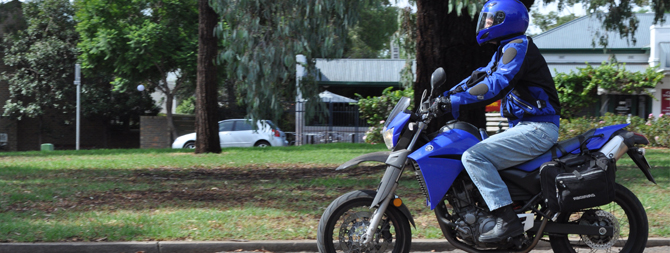
Compared to driving other road vehicles, riding a motorcycle places riders at a much higher risk. In a crash, the chances of getting injured are very high.
Got your Ls? Learn about special L-rules and conditions.
All motor bike riders and any pillion or sidecar passengers must wear an approved motor bike helmet.
The road rules handbook for all South Australian riders.
Study up for the Learner's Theory Test.
Rider Safe is a compulsory motorcycle rider training course for all novice motorcycle riders.
You can become a safer rider by having the necessary skills.
All motor bike riders must know the strict conditions that apply to motor bike lane filtering.
Moped/scooter riders, like all motorcyclists, are vulnerable on the road.
Take the time to get your skills up-to-date with the Rider Safe Returning Rider Course.
Resources related to being a safer rider.
Practise the Motorcycle Rider Hazard Simulator.
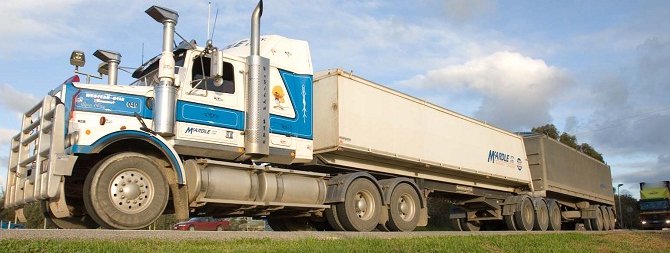
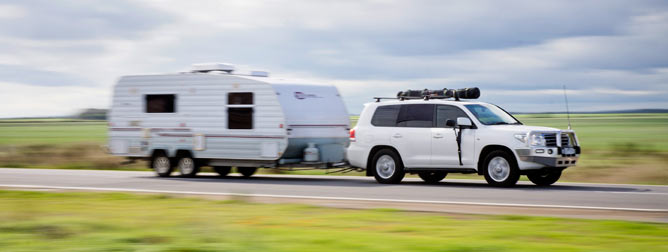
Heavy vehicles include the trucks, road trains and B-doubles that transport goods. It also covers buses, trams, tankers, grain and delivery trucks, livestock transporters, agricultural machinery and other vehicles that are long, and possibly slow-moving. Learn how to upgrade your licence to a higher class.
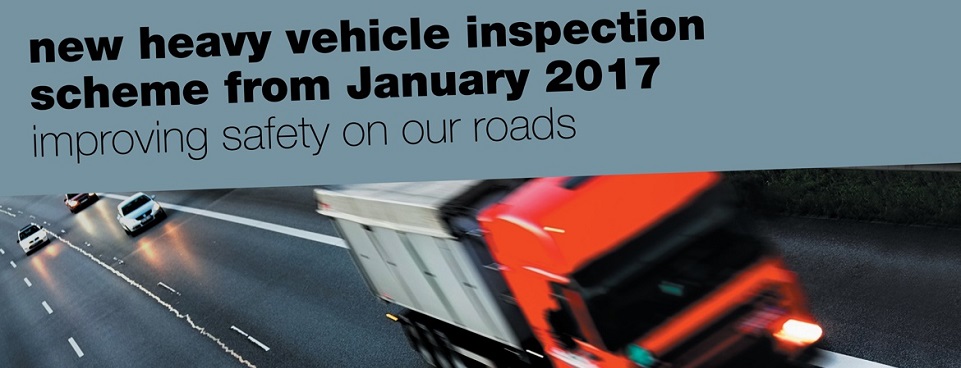
Heavy vehicle inspections required on change of ownership from 2017.
Find out what you need to get your LR or MR class licence
Learn how to get your HR or HC class licence.
Find out how to upgrade to an MC class licence.
Another way for HR and HC licence holders to get an MC licence if they don't meet the minimum driving experience.
See how you can get an MC licence if you have an overseas heavy vehicle licence.
This important guide details what you need to know to operate a heavy vehicle safely in South Australia.
Explore more about operating heavy vehicles on SA.GOV.AU.
Heavy vehicles are a safety issue because of the distances travelled, their mass and rigidity.
This freeway's long, steep descent makes it one of the most difficult routes into Adelaide. Watch our video before you drive a heavy vehicle down the South Eastern Freeway.
The Driver's Handbook is the road rules handbook for all South Australian drivers.
Find out if your knowledge of basic road rules are up to date.
Get more resources to help you be a safer heavy vehicle driver.
U class licence is a new class of licence that you will need from 1 December 2024 to drive an Ultra High Powered Vehicle (UHPV). A UHPV is a vehicle with a gross vehicle mass not greater than 4.5 tonnes (excluding a bus, motor bike or motor trike) with a power-to-weight ratio equal to or greater than 276 kilowatts per tonne.
Find out what vehicles are classified as ultra high powered vehicles.
Find out how to get a U class licence.
Anyone who wants to to drive an UHPV (including existing owners or drivers of UHPVs) must take this training to get a U class licence.
It is an offence to drive an UHPV if your automatic vehicle intervention system is disabled.
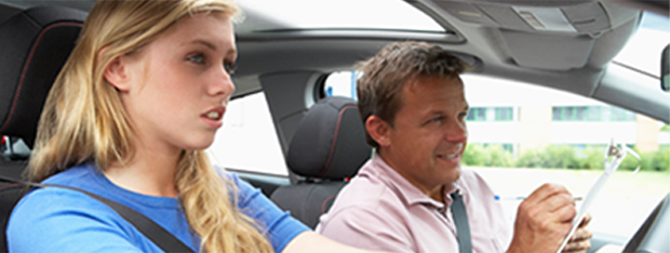
Supervising a learner driver can be challenging, but it can also be very rewarding. You'll help a young person develop the skills and attitudes they need to become a safer, smarter driver.
How to help prepare your learner driver for a lifetime of safe driving.
What you need to know and understand before you supervise a learner driver.
Practising solo driving is vital for your learner. Learn tips on practising here.
Learn how to reduce road risks for a newly independent driver.
Supervising a learner driver is a serious commitment. Help ensure their safety.
Read our driving tips for reducing the crash risk of new drivers.
Refresh your knowledge of the road rules before helping a learner driver.
Learn how to make a safer vehicle choice for their first car.
As the number of car users in a household increases, there will be a growing pressure to use the available vehicles.
The Driver's Handbook is the road rules handbook for all South Australian drivers.
The Driving Companion contains the log book to record your learner’s compulsory driving hours.
Resources to help you become a better supervisor.
Is your knowledge of basic road rules up to date? Breaking basic road rules contributes to thousands of avoidable crashes in South Australia that result in injuries and fatalities each year.
Watch our videos about several commonly misunderstood road rules. Do you know the rules?
The road rules refresher pocket guide outlines some of the most misunderstood road rules.
Try this quick road rules refresher quiz to check your road rules knowledge.
Trucks and buses must follow Australian Road Rule 108 when driving down a steep road.
Rules for riding a personal mobility device that is propelled with an electric motor.
The Driver's Handbook is the road rules handbook for all SA drivers, including learners.
Know the legislation on road rules and most driving offences.
See recent South Australian road rule amendments.
Drivers must travel at 25 km/h when driving through an emergency service speed zone. This law came into effect in 2014.
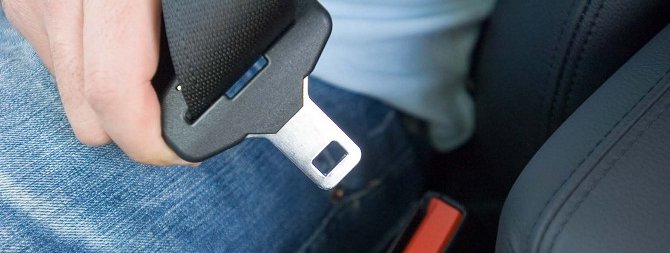
Wearing a seatbelt doubles your chances of surviving a serious crash. Take the time to buckle up.
Find resources about being a safer driver.
Think you know how to be safe around trains? Try this quick rail safety quiz to check your knowledge.
When you drive past a cyclists, you must give at least 1 metre of space where the speed limit is 60 km/h or less, or 1.5 metres where the speed limit is over 60 km/h. All cyclists can ride on footpaths.
Driving involves risk, so safe drivers aim to reduce their risk.
Learn about road rules and safety tips for driving to and from or near schools.
Speed is a key factor in crashes and road trauma.
Don't mix driving with alcohol or drugs (including medicine).
Fatigue is a major factor in causing road crashes.
Using a mobile phone while driving increases the risk of crashing by at least 4 times.
Inattention is an issue in both rural and metropolitan areas.
A level crossing is where the road crosses a rail or tram line. Taking risks around trains and trams is very hazardous.
Buying a car is a big responsibility, whether it's for you or your child.
Before you drive in the countr, make sure you and your car are prepared.
Know your responsibilities and respect the rights to safety of all who share our roads.
Tragically, one child (often a toddler) is run over in their driveway every week in Australia.
Slow down and be careful if you see flashing amber hazard lights on the side of the road.
South Australia supports Yellow Ribbon "Drive So Others Survive" National Road Safety Week.
Keep your travel options open, stay flexible and move smart!
Simple distractions can increase your risk of a crash by up to 4 times.
Driving at night is dangerous and requires more skills and concentration.
Provisional licence holders under 25 years must not drive a high-powered vehicle.
Getting a driver’s licence isn’t a race. If you don’t need a licence yet, just wait.
Learner drivers who have more supervised practice will reduce their risk substantial crashes.
Resources about being a safer driver.
It can be difficult to know what to do if you have concerns about someone’s driving.
When driving past a cyclist, you must give at least 1 metre of space where the speed limit is 60 km/h or less, or 1.5 metres where the speed limit is over 60 km/h. All cyclists can ride on footpaths.
When you ride a bike, you need to know about bells, lights, helmets, riding abreast, bicycle lanes, give-way rules and more. See the rules, laws and safety tips for cycling.
Driving involves risk, so safe drivers aim to reduce their risk.
If you are visiting South Australia – welcome! We want you to enjoy your stay but, more importantly, we want you to stay safe. Get tips and rules for driving in South Australia.
Learn about using an interstate or overseas driver’s licence in South Australia and how to apply for a driver’s licence.
The Driver's Handbook contains the road rules for all drivers in South Australia, including learner drivers.
Graduated Licensing Scheme
History

History of Graduated Licensing Scheme (GLS) in South Australia
1989
- A form of GLS existed in South Australia on 31 October 1989.
1993
- Competency based testing (log book) introduced for learner's permit holders, in addition to existing vehicle on road test.
2003
- 6 months minimum period on L permit.
- Two year minimum total period on P licence.
- Road safety questions included in L permit theory test.
- Pass mark for theory test raised from 75% to 80%.
2005
- 50 hours supervised driving for L drivers (inc 10 at night).
- Introduction of provisional P1 and P2 stages.
- Introduction of Hazard Perception Test began to progress from P1 to P2.
- Fast-track options to P2 - Driver Awareness Course or 12m demerit free options.
- Serious disqualification offence created.
- Curfew for disqualified drivers began.
- Full licence from age 20 if 1+ demerits incurred.
2006
- Introduction of regression to former licence stage for disqualified learner's permit and P drivers. Includes re-passing any tests associated with previous licence stage.
2009
- L and P drivers banned from any form of mobile use while driving.
2010
- Increased minimum time required on a learner's permit from 6 to 12 months for drivers under age 25.
- Increased minimum supervised driving time for learner's permit holders to 75 hours (including 15 at night).
- Court required to consider a client's driving record before determining an appeal.
- Tightening of curfew condition for novice drivers returning from a serious disqualification (no passengers other than a QSD).
- The offer of a Safer Driver Agreement option for disqualified provisional drivers.
- Increased maximum speed limit for a learner permit holder, from 80 km/h to 100 km/h, where speed signs permit.
- A penalty of 2 demerit points instead of licence disqualification for failure to display L and P plates.
- Provisional (P1 and P2) drivers under 25 years of age restricted from driving high-powered vehicles.
2014
- P1 provisional licence holders and learner motorcyclists under the age of 25 restricted from driving between midnight and 5am unless accompanied by a qualified supervising driver.
- P1 provisional licence holders under the age of 25 restricted from carrying more than one passenger aged 16-20 at any time of the day or night (immediate family members exempt) unless accompanied by a qualified supervising driver or meet the exemption criteria.
- Hazard Perception Test moved earlier in the licensing process, requiring learners permit holders to pass the test to progress to P1 provisional licence (previously the HPT had to be passed to progress from P1 to P2 provisional licence).
- Provisional licence period extended from two to three years (one year on P1 and two years on P2).
- Regression to a previous licence stage following a disqualification period removed.